How Long Do You Cook A Joint Of Gammon For . How do you soak a gammon joint? Or for a shank or butt part weighing 3 to 4 pounds, about 35 minutes to the pound. How Long To Oven Bake Gammon Learn how to cook gammon steaks in a from passaportewallpaper.blogspot.com Reduce the heat and simmer for 30 minutes per 500g. So a 1.5kg gammon joint would require 1hr 30mins of cooking in total. Add the gammon joints and cook for 10 minutes until browned all over.
Atlanto Occipital Joint Type. Nontraumatic cases of instability at this site are rare. Type & articular surfacethese are synovial joints of the ellipsoid variety.above:
PPT Traumatic Spine and Spinal Cord Injuries PowerPoint Presentation from www.slideserve.com
Synovial joints are the most common type of. Spinous process of the axis moves to the right creating a relative right rotation of the aa joint. It is a continuation of the anterior longitudinal ligament and prevents excessive neck extension.
Nontraumatic Cases Of Instability At This Site Are Rare.
The sockets are shallow in infancy and deepen with age. Utilizing this new classification, a rationale for treatment is described. Plane synovial joints that permit flexion, extension, lateral flexion, and rotation of the cervical spine.
Facet Joints Are Synovial Joints That Allow Motion In All Three Cardinal Planes.
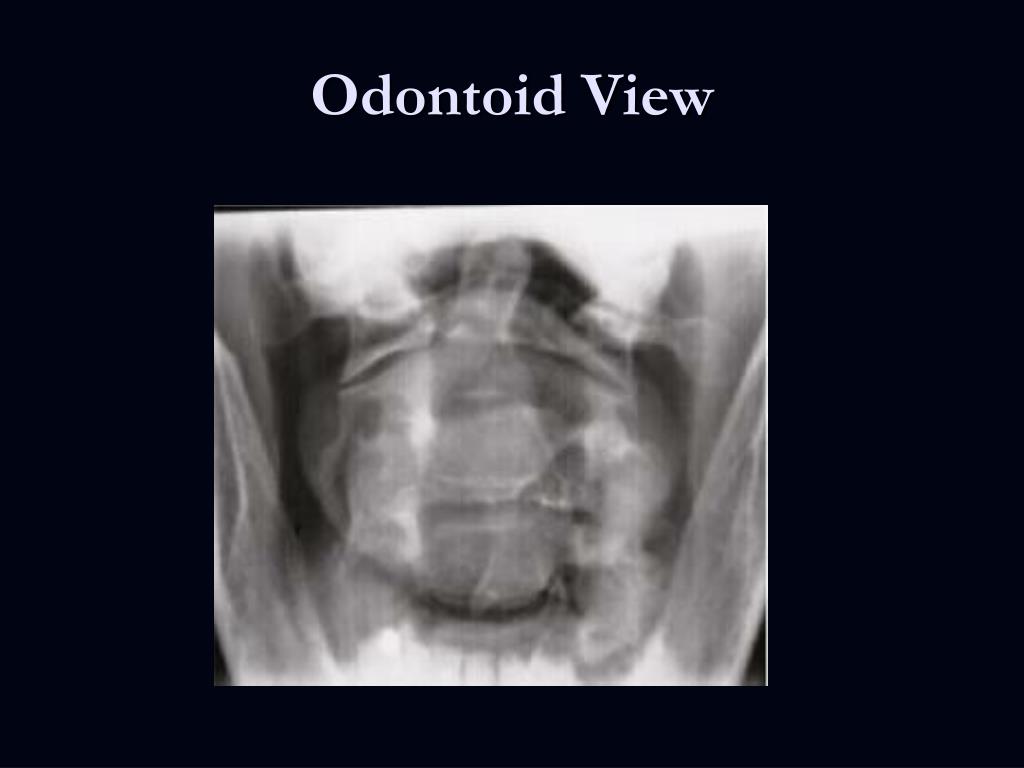
The lateral atlantoaxial joints are between the lateral mass of the atlas (c1) and axis (c2) on both sides. Atlantoaxial rotatory fixation will cause c1 lateral mass asymmetry relative to the dens. The most distinctive characteristic of this bone is strong odontoid process, the dens.
The Atlantoaxial Joint Is A Type Of Synovial Joint That Is Classified As A Biaxial, Pivot Joint.
Together they come together to form a joint that has as unique shape. The atlas has two lateral masses which is the most important bony structural feature. Synovial joints are the most common type of.
Type & Articular Surfacethese Are Synovial Joints Of The Ellipsoid Variety.above:
Extend from anterior arch of atlas to posterior margin of foramen magnum. More specifically, it is located between the superior articular facets of the atlas and the occipital condyles. The pivot joint classification means that it allows for rotation only and is formed by a central pivoting, bony structure that rotates around.
The Median Joint Is Between The Posterior Surface Of The Anterior Arch Of The Atlas (C1) And The Front Of The Odontoid Process.
These joints take place between occipital condyles, atlas and axis. This joint resides in the upper part of the neck between the first and second cervical vertebrae, also known as the atlas and axis, respectively. These two joints are innervated by the c1, c2, and c3 spinal nerve roots and can be a source of ch.


Comments
Post a Comment